


Is China’s title as the “world’s factory” about to be snatched by Southeast Asia?
Release time:
19 Oct,2019
Made in China—these letters signify that, since the beginning of this century, China has gradually become the world’s largest manufacturing powerhouse, with its products sold all over the globe. The shift of China’s manufacturing sector, particularly its labor-intensive textile, footwear, and apparel industries, began in 2008, and by 2011, industrial relocation had increasingly become a prevailing trend.
Among the countries taking on China’s industrial transfer, Southeast Asia is the most important region, with Vietnam currently attracting the greatest attention. So, can the Southeast Asian nations—led by Vietnam—step in to replace China as the next “world’s factory”?
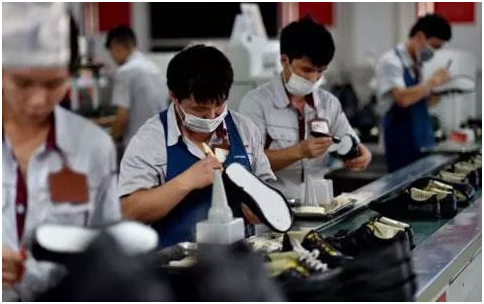
Southeast Asian countries have both advantages and disadvantages.
There are two advantages: The first is labor, the second is transportation. A shared advantage of Southeast Asian countries is their large young population—people under the age of 30 account for more than 50% of the total population—and their labor force is cheaper compared to China.
Next comes sea freight. When China exports low-value goods such as clothing and shoes to Europe, the Middle East, and Africa, it has no choice but to rely on sea transport. And since sea transport inevitably passes through the Strait of Malacca, these shipments must stop over and transship at the port of Singapore. As a result, Chinese enterprises incur substantial sea freight expenses each year. In contrast, Southeast Asian countries, thanks to their unique geographical conditions, benefit from shorter shipping routes and their own ports, giving them a clear advantage in terms of transportation costs.
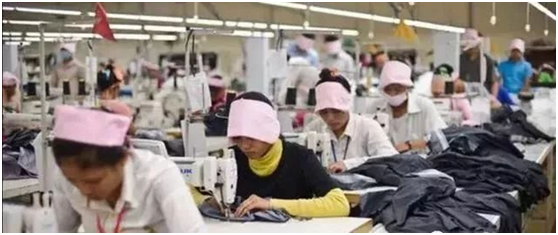
However, the disadvantages of Southeast Asian countries are also evident.
First, the supply chain is incomplete. Only the factory lacks an ecosystem; many raw materials, parts, and machines all need to be imported from China.
Secondly, the quality of the workforce in Southeast Asian countries is generally low. Moreover, in the global manufacturing value chain, China’s greatest asset is our pool of 165 million skilled technical workers—each of whom has received excellent vocational education and is highly diligent and disciplined.
Moreover, in terms of overall scale, the Southeast Asian countries still have a significant gap compared to China in terms of their capacity as global manufacturing hubs. However, from a medium- to long-term perspective, these countries—whether in terms of population quality, industrial scale, or infrastructure—will gradually overcome their current challenges over time. It is highly likely that, in certain product categories, these countries will surpass China in both manufacturing capabilities and scale. This reflects the broader trend of global industrial relocation.


Quick Navigation
Contact Us
No. 428, Jinbai Road, Jinshan Industrial Zone, Shanghai, China

WeChat Video Channels

WeChat Official Account

TikTok account