


Application of Polyurethane in Firefighting Hoses
Release time:
21 Mar,2018
Introduction to Fire Hose
Fire hoses are flexible tubes used to convey high-pressure water or fire‑retardant fluids such as foam. They typically consist of a tubular fabric layer woven from warp and weft yarns, combined with a lining (or cover) through steam vulcanization or adhesive bonding. Traditional fire hoses have a rubber inner lining covered by an outer layer of linen weave. Advanced fire hoses are made from polymeric materials such as polyurethane. Both ends of a fire hose are fitted with metal couplings, allowing it to be connected to another hose to extend its length or to a nozzle to increase the fluid’s discharge pressure.
Structure of fire hoses
Due to the wide variety of fire hoses, their structures also come in many types. However, the basic structure invariably comprises five components: the fabric layer, lining, coating, cover layer, and adhesive layer.
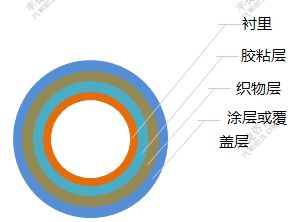
Classification of Fire Hoses
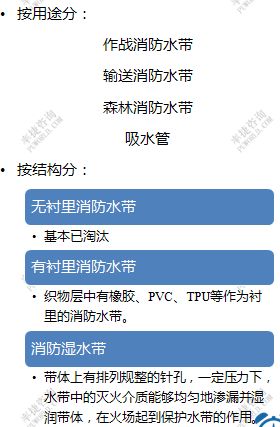
Application of polyurethane in fire-fighting hoses
·Liner: The liner is a smooth, relatively strong waterproof layer on the inner wall of the fabric layer, ensuring the smooth conveyance of water or other liquids. Common materials used include rubber, PVC, and TPU.
TPU lining characteristics:
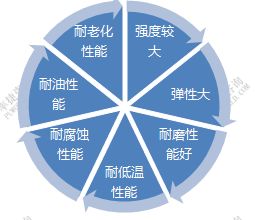
·Domestic fire hose manufacturers generally use polyether-based TPU to produce high-quality TPU fire hoses.


Quick Navigation
Contact Us
No. 428, Jinbai Road, Jinshan Industrial Zone, Shanghai, China

WeChat Video Channels

WeChat Official Account

TikTok account